For decades, job seekers were told to create one “strong” resume and send it everywhere. In 2026, that advice is no longer just outdated—it’s actively hurting your chances.
Hiring has entered an AI-first era. Recruiters rely on applicant tracking systems (ATS), AI resume parsers, and large language models (LLMs) to filter, score, and rank candidates long before a human ever reviews an application. In this environment, generic resumes don’t just blend in—they disappear.
The winners in today’s job market aren’t applying more. They’re applying smarter, using AI-driven personalization to match how modern hiring systems actually evaluate talent.
Why Generic Resumes Fail in 2026
Most job seekers still think rejection comes down to missing keywords. In reality, hiring AI has evolved far beyond basic keyword matching.
Modern systems now evaluate:
-
Context, not just terms
-
Skill relationships, not just job titles
-
Relevance, not resume length
-
Alignment, not career chronology
A generic resume tries to speak to every role at once. AI systems penalize that ambiguity.
When your resume:
-
Lists broad responsibilities instead of role-specific outcomes
-
Uses generalized language across different industries
-
Fails to mirror the employer’s skills taxonomy
…it signals low relevance, even if you’re highly qualified.
What “Resume Personalization” Really Means in 2026
Personalization today goes far beyond swapping out a job title or reordering bullet points.
An AI-optimized resume in 2026 is:
-
Job-specific (aligned to the role’s actual requirements)
-
Skill-mapped (explicitly connecting experience to required competencies)
-
Context-aware (matching industry language and priorities)
-
Machine-readable and human-friendly
In short, it tells the right story to both AI systems and recruiters.
How AI Resume Screening Actually Works Now
Understanding how resumes are evaluated explains why personalization matters so much.
1. Semantic Parsing Over Keyword Matching
AI reads meaning, not just words. “Customer retention strategy” and “reducing churn” are connected concepts—even if phrased differently.
2. Skill Inference
Hiring systems infer skills from your experience, even if they aren’t explicitly listed. Vague descriptions limit what AI can accurately detect.
3. Role Fit Scoring
Your resume is compared against the job description and ranked based on how closely your background aligns with the role’s core competencies.
4. Comparative Ranking
You’re not evaluated in isolation. You’re ranked against other applicants—making precision and relevance critical.
A generic resume simply doesn’t provide enough signal to compete.
Why Manual Resume Customization Doesn’t Scale
Job seekers know they should tailor resumes—but doing it manually is exhausting and inefficient.
Manually personalizing resumes means:
-
Hours spent rewriting bullets
-
Guessing which skills matter most
-
Inconsistent formatting and messaging
-
Burnout from repetitive work
This leads many candidates back to mass-applying with one resume—creating the exact problem they’re trying to avoid.
How Personalized AI Resumes Change the Game
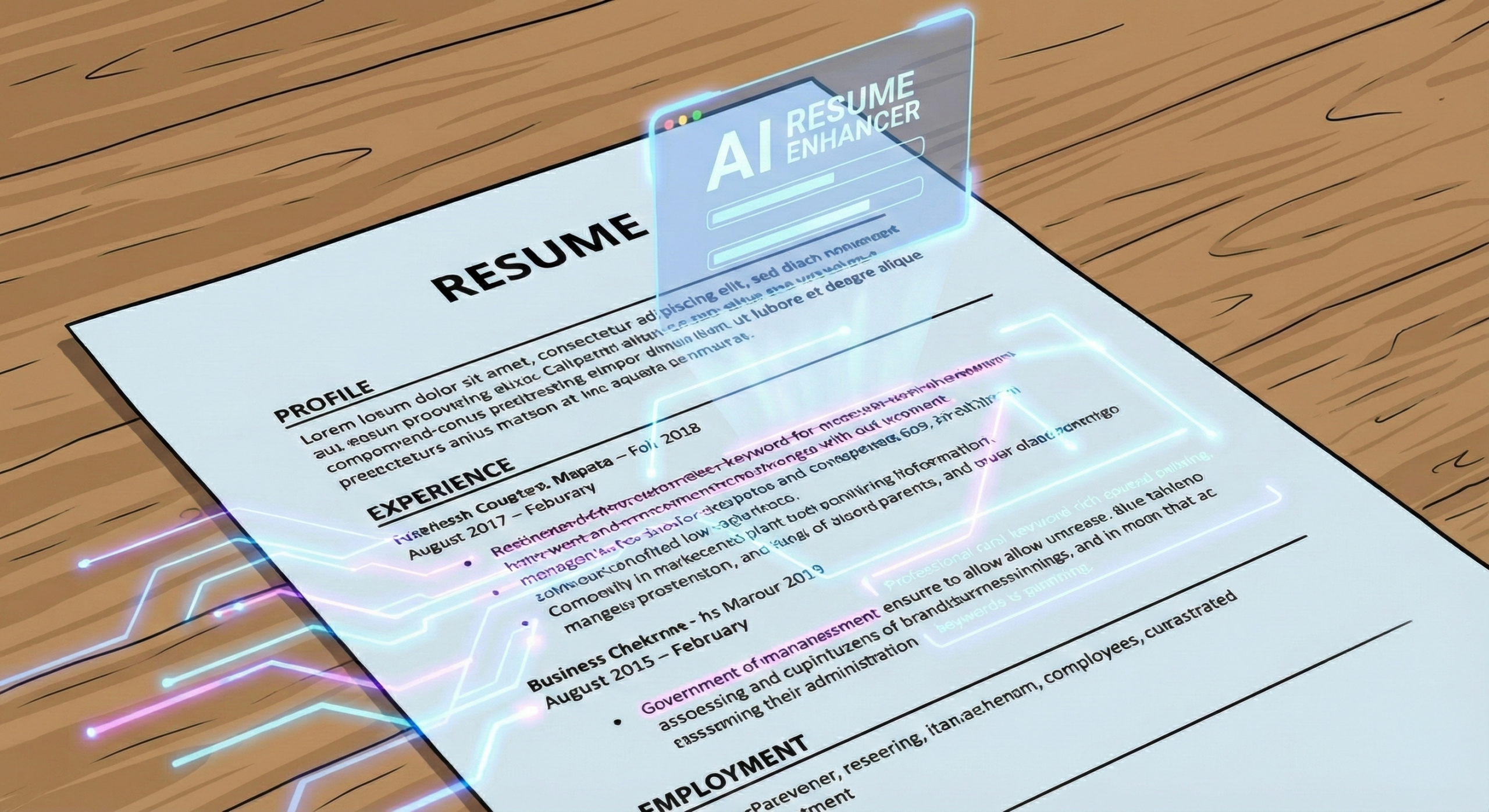
AI-powered resume personalization flips the process.
Instead of forcing candidates to rewrite resumes endlessly, AI:
-
Analyzes the job description
-
Identifies the most critical skills and qualifications
-
Matches them to your real experience
-
Rewrites and structures your resume accordingly
The result is a resume that:
-
Speaks directly to the role
-
Aligns with how screening AI scores candidates
-
Maintains authenticity without exaggeration
This is where job search efficiency meets accuracy.
How JobFitPro.AI Helps Job Seekers Win in 2026
JobFitPro.AI was built for this exact shift.
Rather than helping you send more applications, JobFitPro.AI helps you send better ones.
With JobFitPro.AI, candidates can:
-
Generate role-specific resumes automatically
-
See how well their experience matches each job
-
Identify missing or underrepresented skills
-
Optimize resumes for both AI screening and human review
Instead of guessing what recruiters want—or how algorithms score—you gain clarity and control.
The New Job Search Rule: Relevance Beats Volume
In 2026, success doesn’t come from submitting 200 applications. It comes from submitting 20 highly relevant ones.
Personalized AI resumes:
-
Increase interview rates
-
Reduce application fatigue
-
Improve confidence and clarity
-
Turn job search into a data-driven process
The era of the generic resume is over. The era of intelligent personalization has arrived.
Final Thought
If your resume hasn’t evolved, your job search is working against you.
The future belongs to candidates who understand that AI isn’t the enemy—it’s the filter. When used correctly, it becomes your strongest advantage.
JobFitPro.AI exists to help you cross that gap—turning your experience into resumes that hiring systems recognize, rank, and reward.